


-
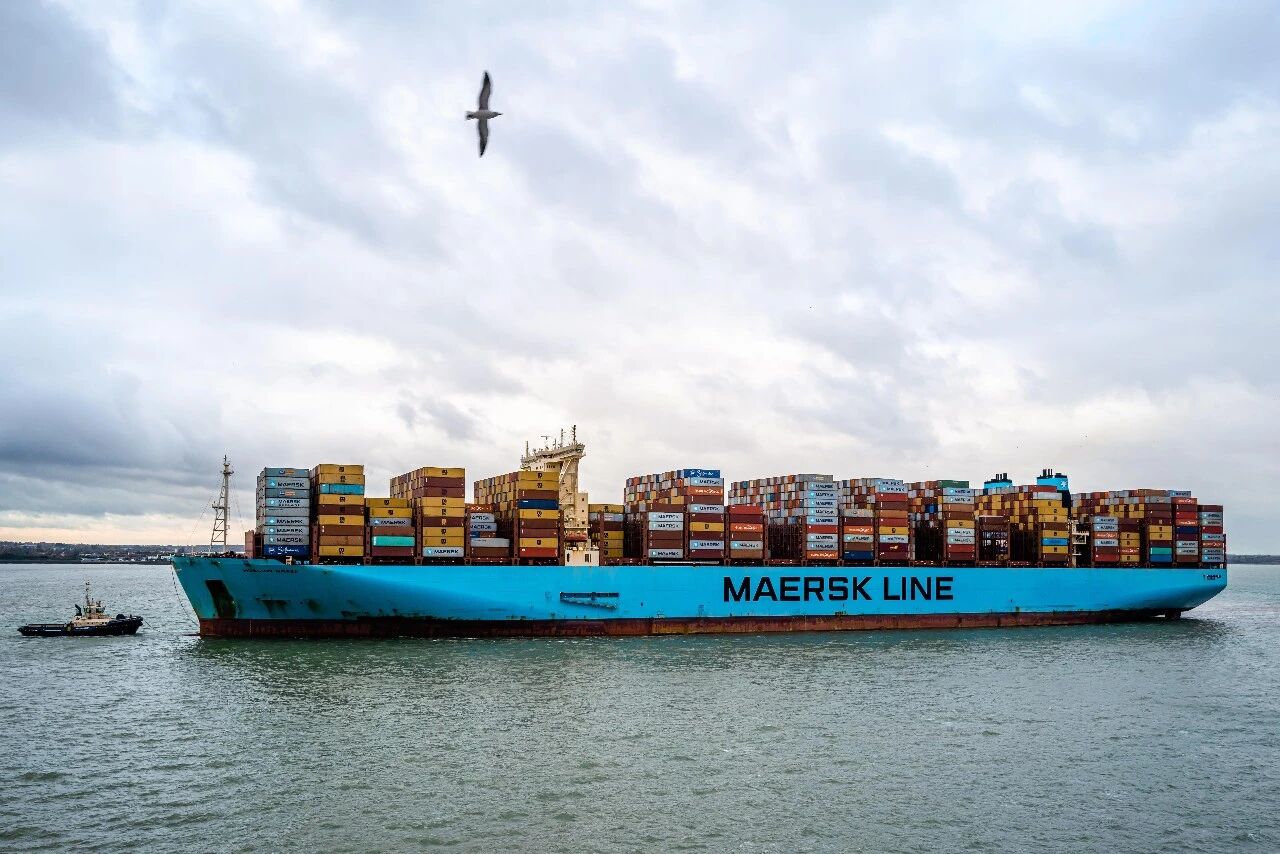
Daily transits through the Strait of Hormuz average just 3 vessels, as Maersk imposes hefty surcharges
Maersk has announced a new $1,000 surcharge per container on all cargo carried by vessels transiting the Strait of Hormuz, marking the latest escalation in cost pressures facing the shipping industry since the escalation of U.S.-Iran tensions in late February.
2026/07/27 -
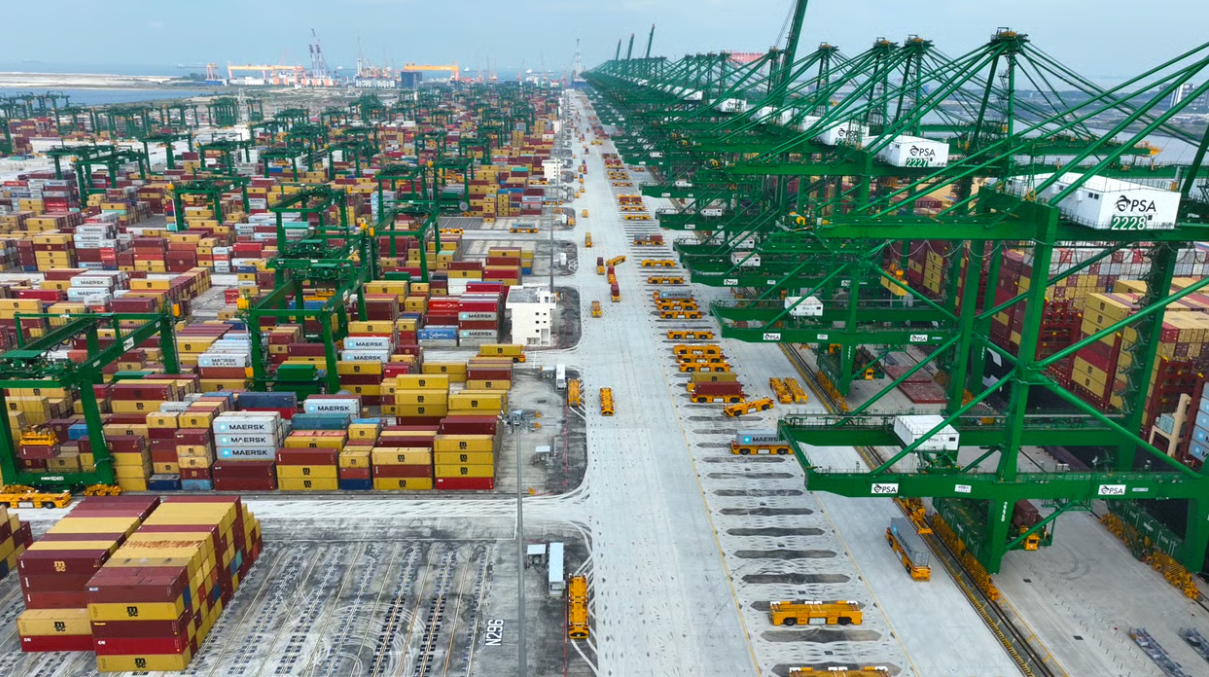
Construction of the world's largest fully automated terminal is in full swing
Singapore is advancing one of the largest maritime engineering projects in the world—the Tuas Port development, which is set to become the world’s largest fully automated container terminal. When fully completed, it will cover an area of 1,337 hectares, equivalent to about 3,300 standard football pitches, with 66 berths and an annual handling capacity of 65 million twenty-foot equivalent units (TEUs).
2026/07/27 -
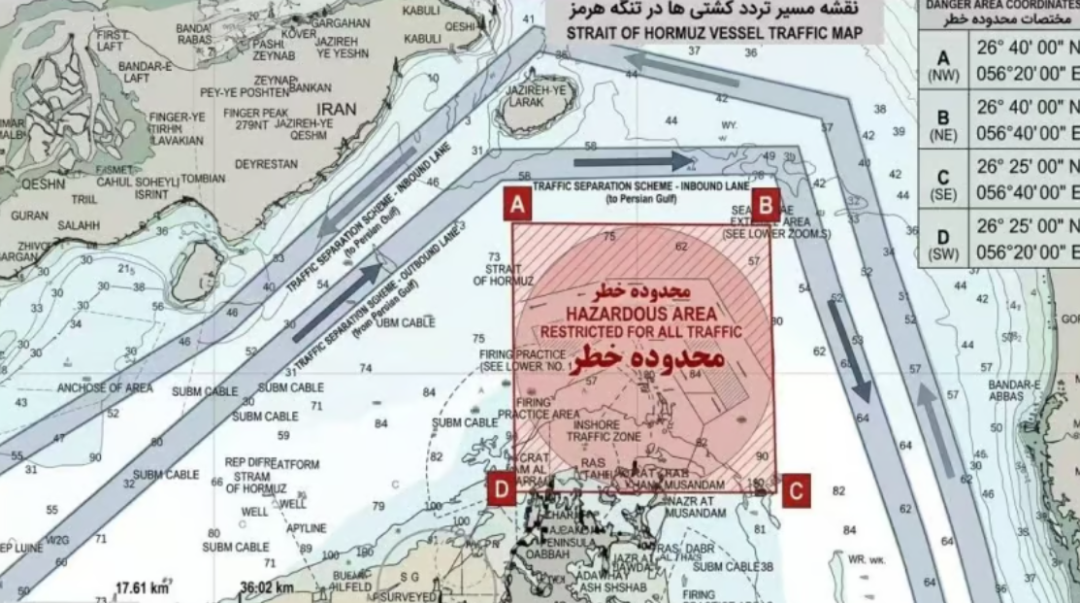
Shipowners who pay transit fees to Iran may face immediate termination of their vessel insurance!
Surge in Attacks Drives War Risk Insurance Rates to Record Highs in Key Middle East Chokepoints
2026/07/27 -
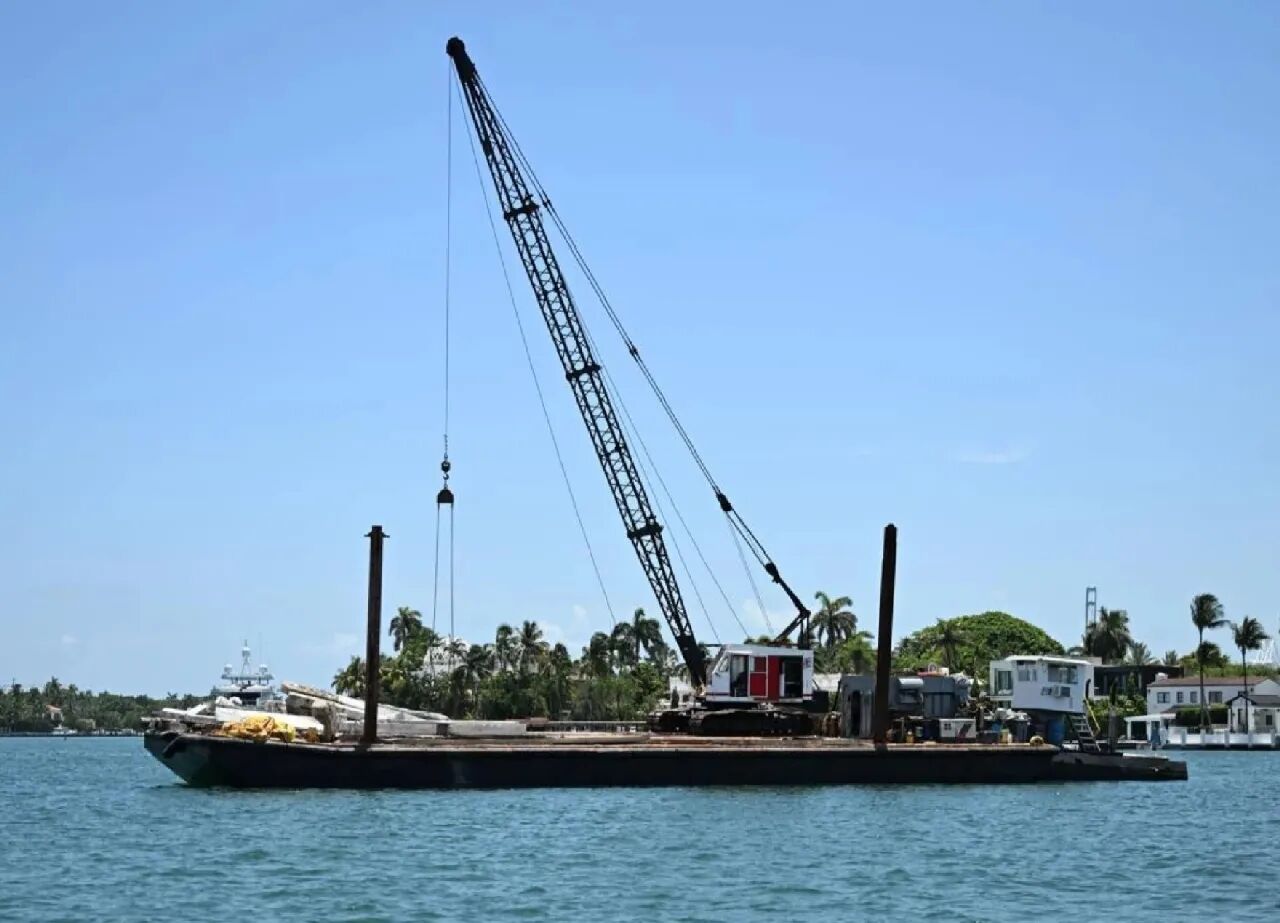
Tugboat Captain Pleads Guilty: Negligent Collision Kills 3 Girls
One year after a shocking maritime tragedy in Biscayne Bay, Florida, that claimed the lives of three girls from a sailing camp, the case has reached a critical turning point. On Tuesday, July 21, the tugboat captain pleaded guilty in federal court, admitting that he violated basic maritime safety rules, leading to the preventable disaster.
2026/07/27 -

Beibu Gulf Port Announces Major Senior Management Reshuffle
On July 24, 2026, Beibu Gulf Port Co., Ltd. (hereinafter referred to as "Beibu Gulf Port" or the "Company") issued an announcement regarding adjustments to its senior management personnel.
2026/07/27 -
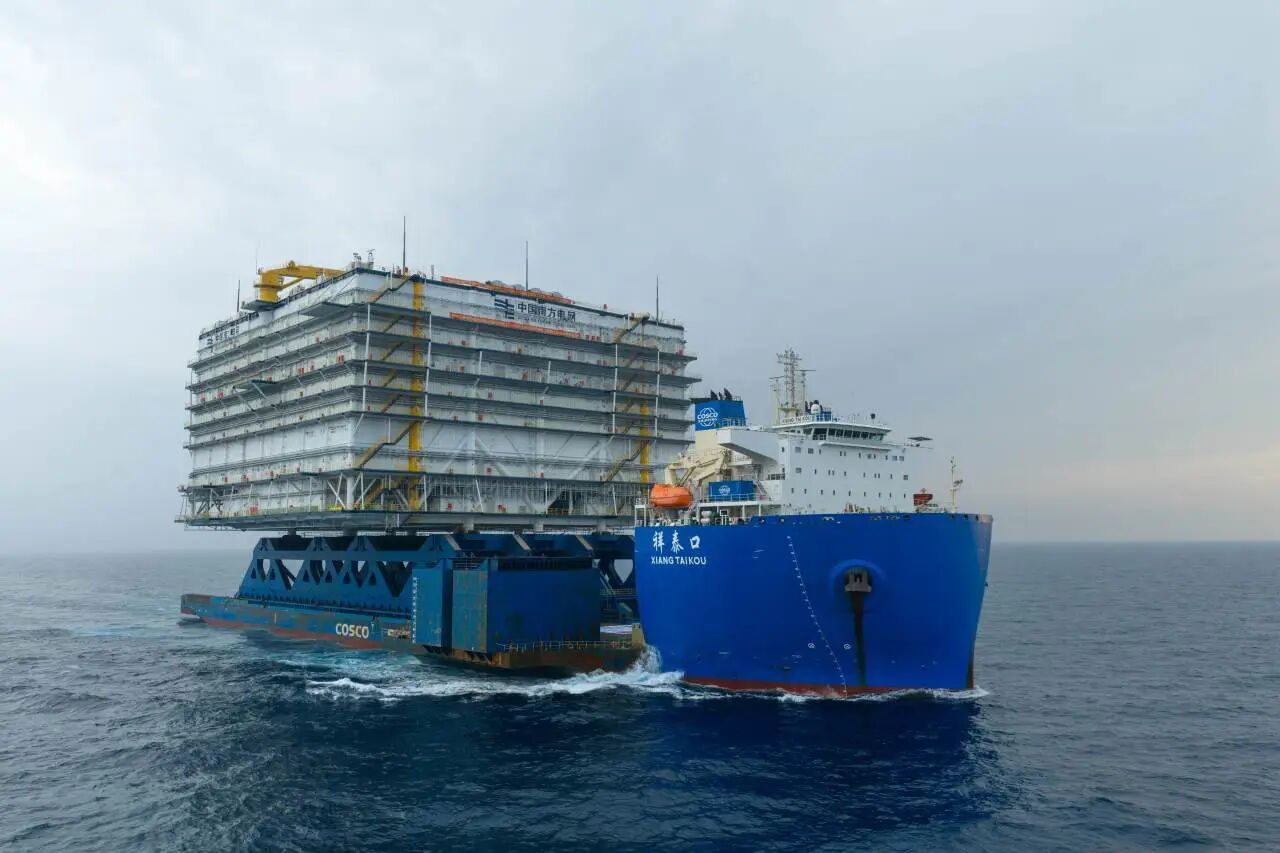
World's Largest! COSCO Shipping Specialized Carriers Helps Another Offshore "Power Heart" Settle In.
On July 23, COSCO Shipping Specialized Carriers' 65,000-tonne semi-submersible vessel "Xiang Tai Kou" successfully completed the float-over installation of the Sanshan Island 2GW offshore converter station in the waters off Yangjiang, Guangdong. With a total weight of nearly 30,000 tonnes for this float-over installation, the vessel once again set a new world record for DP float-over installation weight by a semi-submersible vessel, following its successful transport of the "Sea Wind Heart" converter station in June.
2026/07/27 -
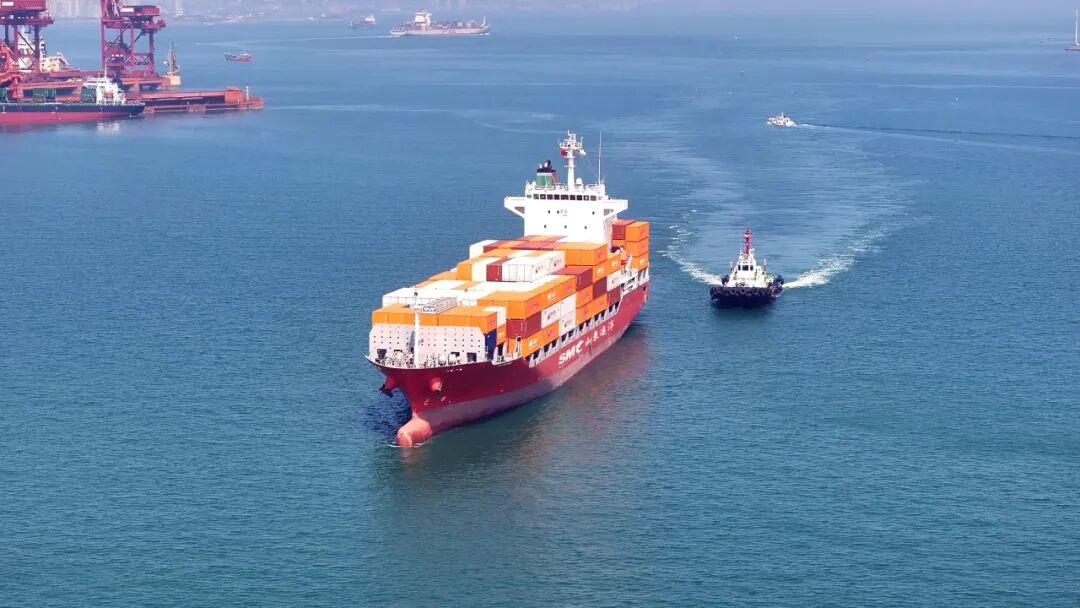
Rizhao–Incheon Container Liner Route Wins Approval
Recently, the "Rizhao–Incheon" container liner route has officially received approval from the governments of China and South Korea. This marks the first time in over two decades that Shandong has reopened a direct container shipping link to Incheon, South Korea—responding to the urgent demand for closer regional economic and trade exchanges, while also serving as a key pillar in Shandong's drive to build a world-class port cluster and an international logistics corridor.
2026/07/27 -

Breaking News: Vietnamese Ship Sinks with 62 Crew in Peril; China Rescues 45.
According to multiple media reports, on July 24, a Vietnamese vessel met with distress and sank in the South China Sea, with a total of 62 Vietnamese crew members on board. As of the afternoon of July 26, Chinese rescue forces had successfully rescued 45 people, while 17 remained missing. Search and rescue operations were still underway.
2026/07/27 -
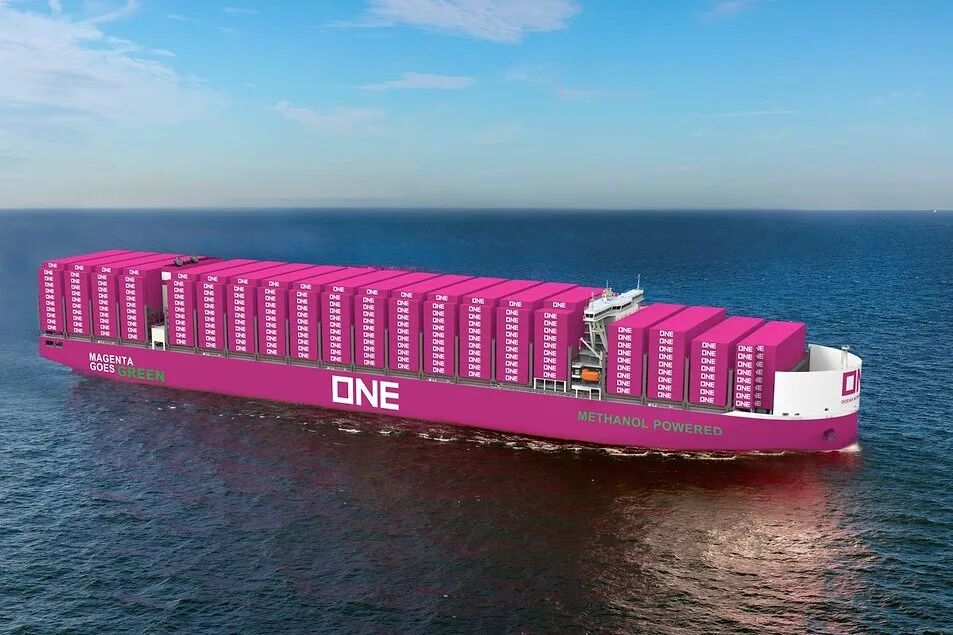
Bunker Fuel Prices Surge Over 30%, Multiple Liner Giants Impose Emergency Surcharges
Affected by the continued escalation of the Middle East conflict, the recent downward trend in bunker fuel costs has reversed, with prices surging sharply. Multiple container liner companies will reintroduce emergency bunker surcharges starting in August. Earlier, driven by expectations of a US-Iran ceasefire, prices for very low sulphur fuel oil (VLSFO) and high sulphur fuel oil (HSFO) had eased in early July. However, as US airstrikes intensified, fuel prices have spiked again over the past two weeks.
2026/07/24 -
Container ship demolition volumes hit an all-time low
According to the latest statistics from shipping analysis agency Alphaliner, the global container ship demolition market remained sluggish in the first half of 2026, continuing last year's downturn, with commercial scrapping volumes staying at record-low levels. Although the total demolition capacity in the first half appeared to recover somewhat when including vessels lost due to accidents and those under sanctions, the number of purely economically motivated demolition transactions remained very limited after excluding these non-commercial factors.
2026/07/24
More
.jpg)


Hot News