


Daily transits through the Strait of Hormuz average just 3 vessels, as Maersk imposes hefty surcharges
Source:
2026-07-27
Maersk has announced a new $1,000 surcharge per container on all cargo carried by vessels transiting the Strait of Hormuz, marking the latest escalation in cost pressures facing the shipping industry since the escalation of U.S.-Iran tensions in late February.
$1,000 Surcharge on Top of Emergency Freight Rates, Pushing Single-Container Costs Sharply Higher
Maersk announced the new fee in its Middle East Operations Update No. 40, issued on July 22. The surcharge applies to cargo carried on vessels via the Strait of Hormuz and covers ports in Iraq, Kuwait, Bahrain, Qatar, the United Arab Emirates, and Oman (excluding Salalah), as well as Dammam and Jubail in Saudi Arabia.
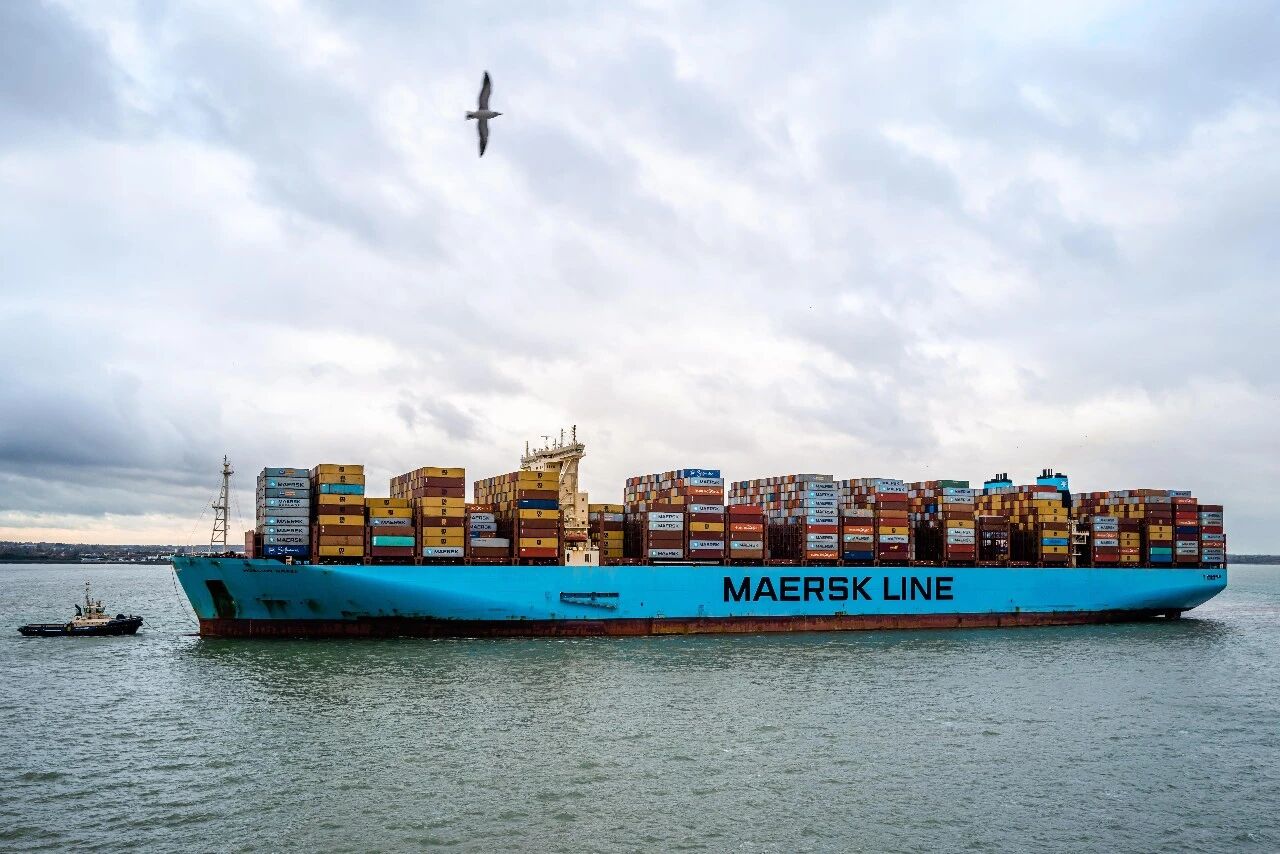
Notably, this new $1,000 surcharge is levied on top of existing emergency freight rates. The previous emergency rates were set at $1,800 per 20-foot dry container, $3,000 per 40-foot dry container, and $3,800 per reefer, special equipment, or dangerous goods container. This means that a reefer container transiting the Strait of Hormuz would now incur emergency-related charges totaling as much as $4,800.
Even more striking is that Maersk is not currently operating any liner services through the Strait of Hormuz at all — the fee appears to function more as a "risk-pricing" signal, suggesting the company holds an extremely pessimistic outlook for a near-term resumption of transit.
Transit Volume Plummets: Daily Average Falls to Just 3 Vessels
Behind Maersk's decision lies the near-paralysis of shipping through the Strait of Hormuz.
According to tracking data from Kpler, an average of only three vessels per day passed through the Strait of Hormuz between July 22 and July 24.
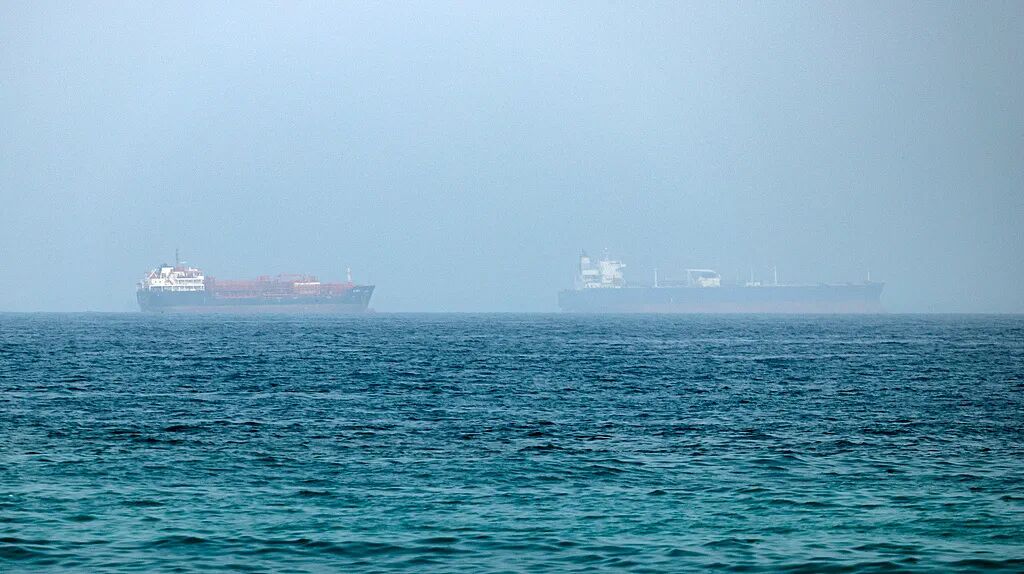
United Nations figures indicate that approximately 500 vessels and 6,000 seafarers remain trapped in and around the Strait of Hormuz. An International Maritime Organization (IMO) evacuation operation for stranded vessels, launched in June, was temporarily suspended following an attack on a commercial ship.
Iran's Islamic Revolutionary Guard Corps Navy has explicitly warned: "The entry and exit routes of the Strait of Hormuz are very clear and are completely under the control of Iran's Navy. So-called alternative routes are not safe and are fraught with danger."
Alternative Routes Also Under Threat
Faced with the passage difficulties through the Strait of Hormuz, Maersk had previously activated alternative solutions — establishing land-bridge corridors between Gulf states and Red Sea ports, connecting Gulf countries via the Suez Canal and the Bab el-Mandeb Strait to external markets. The company also expanded its multimodal land-bridge solutions in Saudi Arabia, Kuwait, Bahrain, the UAE, Qatar, and Iraq.
However, this alternative route now faces its own threat. Yemen's Houthi militia announced a naval embargo against Saudi Arabia on July 19, warning that vessels trading with Saudi ports could be subject to military attack. On July 23, the Houthis claimed to have attacked two Saudi oil tankers in the Red Sea. When asked whether the land-bridge operations could be affected by Houthi threats, Maersk did not immediately respond.
The United Nations has made clear that charging transit fees for safe passage violates international law. The IMO continues to advise the shipping industry not to attempt transits through the Strait of Hormuz until the conflict is resolved.
Multiple Shipping Lines Raise Fees Simultaneously
Maersk is not the only shipping company adjusting its charges. According to media reports, MSC has announced a $100 per TEU surcharge on cargo transiting the Panama Canal; CMA CGM has imposed an emergency bunker surcharge of $75 to $165 per TEU due to fuel price spikes resulting from the Hormuz situation; and ONE has also raised its emergency bunker surcharge to between $38 and $100 per TEU. The Suez Canal Authority, meanwhile, raised its temporary transit surcharges effective July 15.
Oil Tops $100, Global Supply Chains Under Strain
The continued turmoil in the Strait of Hormuz has triggered severe shocks in global energy markets. On July 23, Brent crude broke through the $100-per-barrel mark for the first time since May. Goldman Sachs projects that if the disruption to the Strait of Hormuz persists through 2027, Brent could reach $120 per barrel in the fourth quarter.
Rapidan Energy Group has raised its fourth-quarter oil price forecast from $85 to nearly $100 per barrel, citing precisely the disruption to Hormuz trade.
The UN Conference on Trade and Development has noted that conflict-related energy price increases are already driving up global merchandise trade values.
"Cost Pass-Through" Controversy Emerges
As various surcharges continue to multiply, dissatisfaction among cargo owners is growing. Some shippers have accused shipping lines of exploiting market chaos to profit through "opaque surcharges." One shipper with a contract with Maersk told industry publication The Loadstar: "The entire market is reacting to the Hormuz situation, and Maersk is not the only company seeing improved financial performance."
Maersk CEO Vincent Clerc previously estimated that the company faces roughly $500 million in additional monthly costs from fuel price increases resulting from the Strait's closure, but the company has so far been able to pass those costs on to customers through higher freight rates. The U.S. Federal Maritime Commission has said it is monitoring shipping companies' Hormuz-related surcharges.
From Hormuz to the Bab el-Mandeb, from the Red Sea to the Black Sea, multiple critical global maritime chokepoints are simultaneously facing security threats. Maersk's move — charging a fee even while not sailing through the Strait — is emblematic of this complex predicament: when the world's busiest energy artery is all but shut down, the extra costs at every link of the chain will ultimately be borne by every participant in the global supply chain.
Hot News