


Greece secures one-year exemption for Russian LNG transshipment
Source:
2026-07-28
After arduous negotiations, EU member states have recently reached a political agreement on the 21st round of sanctions against Russia. The core elements of this round include freezing the Russian oil price cap at $44 per barrel for 12 months, while granting Greece a one-year exemption for liquefied natural gas (LNG) transshipment, as a show of support for Greece.
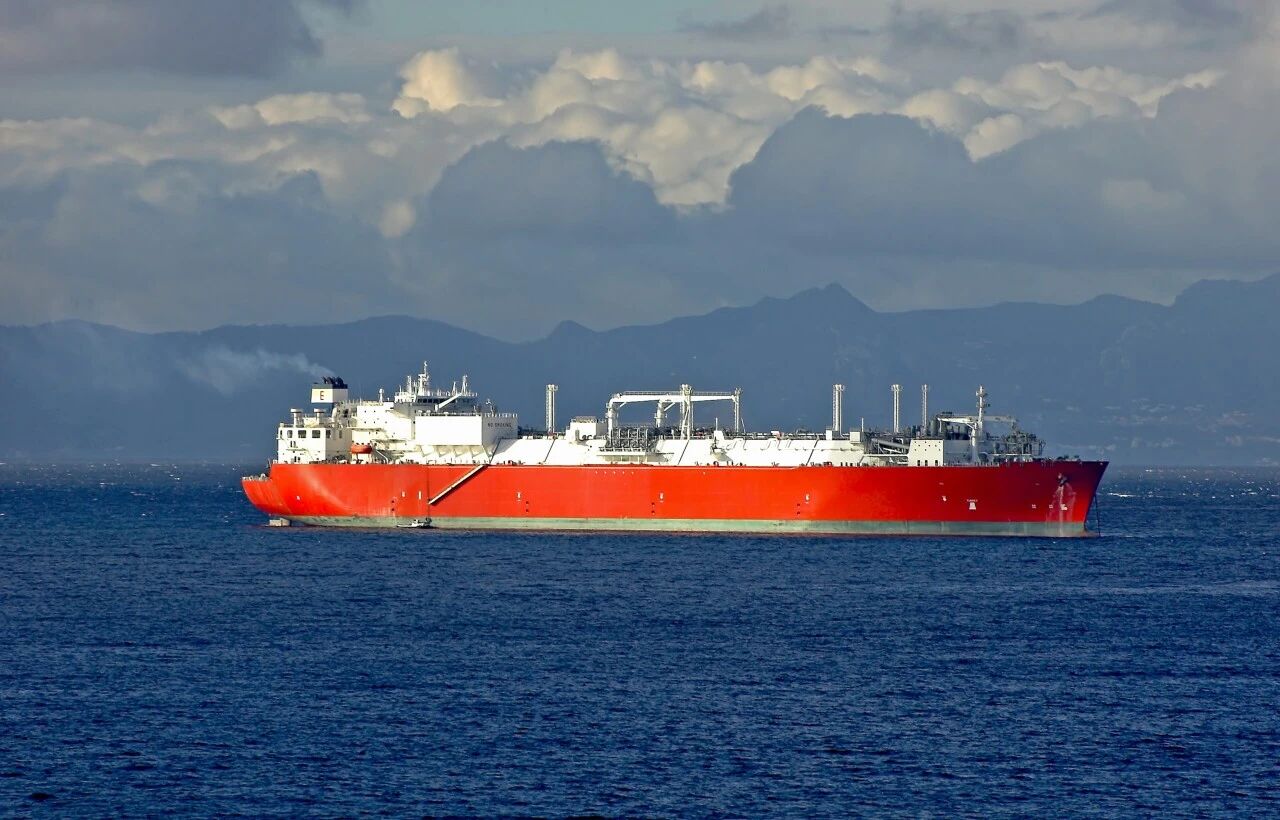
This round of sanctions allows EU companies to transship Russian LNG to third countries, with the relevant temporary exemption valid for one year and renewable upon application, aimed at ensuring "legal certainty" for related business activities. It is noted that this exemption comes with strict reporting obligations and volume control requirements.
At the same time, the agreement explicitly clarifies the LNG terminal service ban introduced in the previous 20th round of sanctions. It also specifies that the ban applies not only to Russian operators and EU operators but also extends to non-Russian third-party operators controlled by Russian entities, further closing potential circumvention channels.
The agreement was reached against the complex backdrop of multiple countries seeking exemptions to protect their national interests, with Greece's stance being particularly crucial.
The Athenian government believes that banning the transport of Russian LNG would have a devastating impact on the shipping industry. In this regard, European Commission Chief Spokesperson Paula Pinho clearly stated: "The sanctions will not affect us more than they affect Russia. This is the guiding principle throughout the entire discussion, proposal, negotiation, and final agreement." European Commission Spokesperson Siobhan McGarry also confirmed: "The exemption is valid for one year."
Greece's firm stance is directly linked to its globally leading shipping prowess. Greek shipowners continue to invest in various vessel types, with a focus on tankers, bulk carriers, and LNG carriers, while container ship orders are also on the rise. Compared with 2021, Greece's order book has increased sevenfold in number and fivefold in capacity. Currently, the Greek fleet holds advantages across multiple core vessel segments. In terms of deadweight tonnage, Greece has 2,766 bulk carriers, accounting for 22% of the global fleet; 1,064 tankers, representing 26%; 527 container ships, or 8%; 574 chemical tankers, or 16%; 172 LNG carriers, or 23%; 261 general cargo ships, or 4%; 157 LPG carriers, or 11%; 77 car carriers, or 8%; and 200 other vessel types, bringing the total Greek fleet to 5,798 ships.
Greece fears that its vessels would lose lucrative transport contracts as a result. Russia could easily turn to China and other non-EU competitors to charter ships, and its natural gas exports would not be materially affected, leaving Greek shipping companies to bear the losses alone. Data show that EU exports to Russia in 2025 fell by 66% compared with 2021, while imports from Russia decreased by 83%.
Although the addition of exemptions was a politically necessary choice to reach consensus among all member states, the recent discussions and negotiations have highlighted the increasingly difficult balance between geopolitical objectives and commercial realities.
Greece's stance on shipping-related sanctions differs markedly from that of member states with far less connection to the shipping industry. Greece argues that Europe unilaterally restricting its own shipping business would only cede relevant market share to competitors outside the EU.
Those supporting Greece's position argue that sanctions should target Russia, not weaken Europe's own maritime industry. Critics counter that every exemption undermines the overall coherence of the sanctions regime and may send confusing strategic signals to the outside world. This contradiction is likely to remain a persistent tension in the design of future sanctions packages.
Hot News