


Egypt launches a three-year long-term procurement plan, aiming to import up to 18 LNG cargoes per month
Source:
2026-07-28
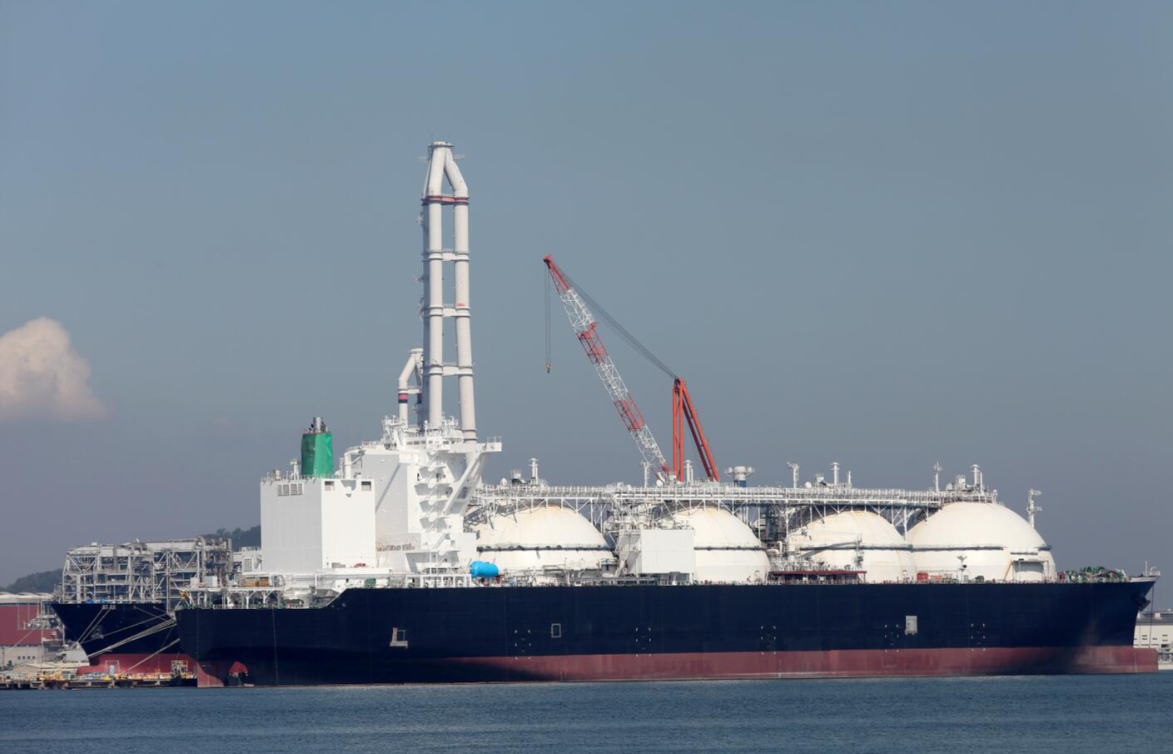
Recently, according to a report by Reuters, Egypt is in negotiations with Shell, BP, TotalEnergies, and Hartree Partners to secure 15 to 18 cargoes of liquefied natural gas (LNG) per month for at least the next three years.
The planned purchase agreement is expected to have a term of three to five years, though the specific terms have not yet been finalized.
Egypt's Ministry of Petroleum and TotalEnergies have declined to comment on the matter, while Shell, BP, and Hartree Partners have all refused to offer any views.
This large-scale procurement negotiation reflects Egypt's rising LNG demand: domestic natural gas production can no longer meet domestic consumption. At the same time, reduced shipping traffic through the Strait of Hormuz has further tightened global gas supply, intensifying competition among buyers.
Based on recent market prices, and factoring in a premium of $1.5 per million British thermal units over the Dutch TTF natural gas benchmark, Egypt's annual expenditure for this would reach $8 billion to $11 billion.
Due to geopolitical disruptions, even though total natural gas imports remained largely flat, Egypt's monthly import bill surged from $560 million to $1.65 billion in March.
Between July 2025 and June 2026, Egypt's total natural gas imports reached 985 billion cubic feet, including pipeline gas imports from Israel and seaborne LNG; in the current fiscal year ending June 2027, total gas imports are expected to rise to 1.081 trillion cubic feet.
In the 2025–2026 fiscal year, Egypt's average daily domestic natural gas production was less than 4.4 billion cubic feet, and is expected to decline further to 4.2 billion cubic feet per day in the current fiscal year.
This is not the first time Egypt has purchased gas from the above four companies. As early as February 2025, Egypt finalized about 60 LNG cargo purchase orders with Shell and TotalEnergies, worth approximately $3 billion in total; in Egypt's winter gas tender in September 2024, Shell, TotalEnergies, BP, and Hartree Partners all won supply quotas.
Aly Blakeway, head of Atlantic LNG business at S&P Global Energy, commented: "Egypt is pushing forward with medium-term LNG term procurement negotiations while expanding its existing and planned pipeline gas import contracts. The core aim is to reduce reliance on the volatile spot gas market against the backdrop of ongoing geopolitical instability. Current uncertinties include the Russia-Ukraine conflict and the tense standoff between the U.S. and Iran."
Hot News