


Strait of Hormuz at Standstill, Commercial Shipping Nearly Zero
Source:
2026-07-28
According to TradeWinds, commercial shipping through the Strait of Hormuz nearly came to a standstill on July 25.
Maritime intelligence company Windward monitored that no vessels entered the Middle East Gulf via the waterway that day. Only one Comoros-flagged cargo ship was observed departing along Iran's northern coastal route, with its AIS system left on. Windward noted that the strait was "effectively closed to commercial shipping" and detected at least three vessels approximately 60 nautical miles from the inbound lane that appeared to be attempting to break through the blockade, with the transit risk assessed as "critical."
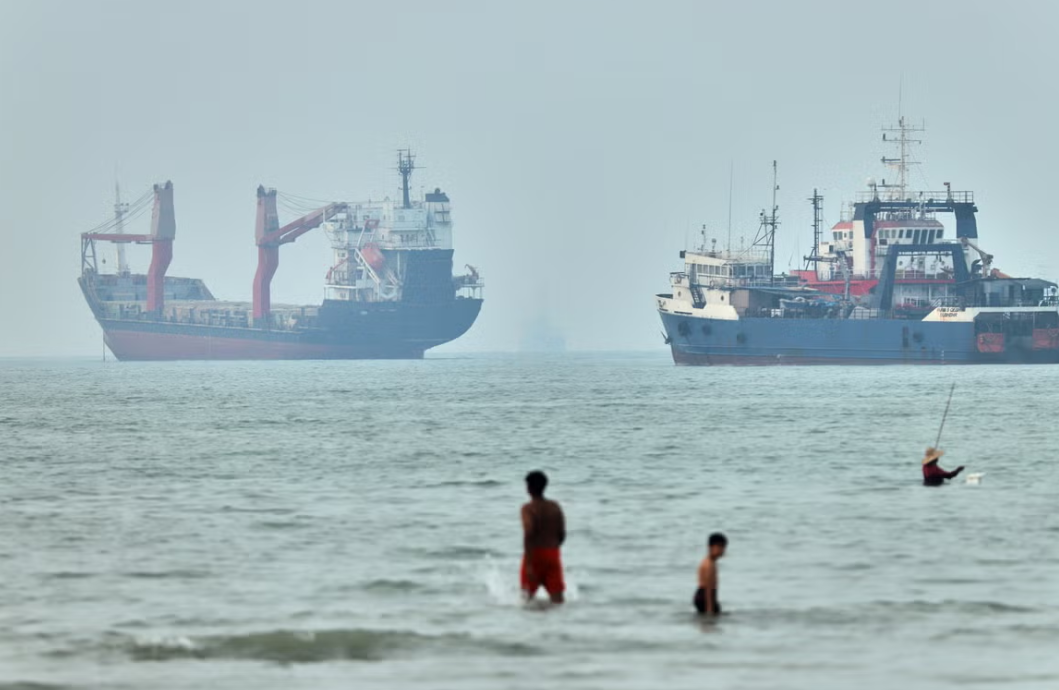
Meanwhile, congestion around Iran's main crude oil export hub, Kharg Island, intensified. Satellite images on July 26 showed 24 tankers with their AIS switched off anchored in the waiting area outside the key loading terminal, an increase of three from the previous day.
In fact, shipping data had already hinted at the trend earlier. According to analytics firm Kpler, in the three days leading up to July 24, the average daily vessel transits through the strait barely held at three.
As reported by Reuters, some vessels managed to evacuate before the blockade escalated: on July 23, a VLCC carrying Iraqi crude sailed out; South Korea's Sinokor Merchant Marine's 318,000-dwt VLCC *Romania Prosperity*, loaded with crude, departed and berthed at the UAE's Fujairah port on July 24; two bulk carriers also left the port over the weekend.
Hot News