


The ships are still sailing, but insurance has already become uninsurable...
Source:
2026-07-28
The ongoing escalation of geopolitical tensions, targeted drone strikes, and state-backed blockades are fundamentally transforming the nature of marine insurance—from a routine operational cost into a decisive and prohibitive barrier that hinders global trade.
In the Red Sea, the Strait of Hormuz, and the Black Sea, military risk is increasingly becoming the dominant variable in determining the economic viability of a given voyage. When underwriters refuse to insure a particular route, or set premiums so high that a journey is effectively priced out of the market, the practical effect is no different from a physical blockade.
Take the Red Sea. As Houthi attacks on commercial vessels in the region have escalated, insurance premiums for cargo transiting the southern routes have roughly doubled, with some underwriters outright refusing coverage.
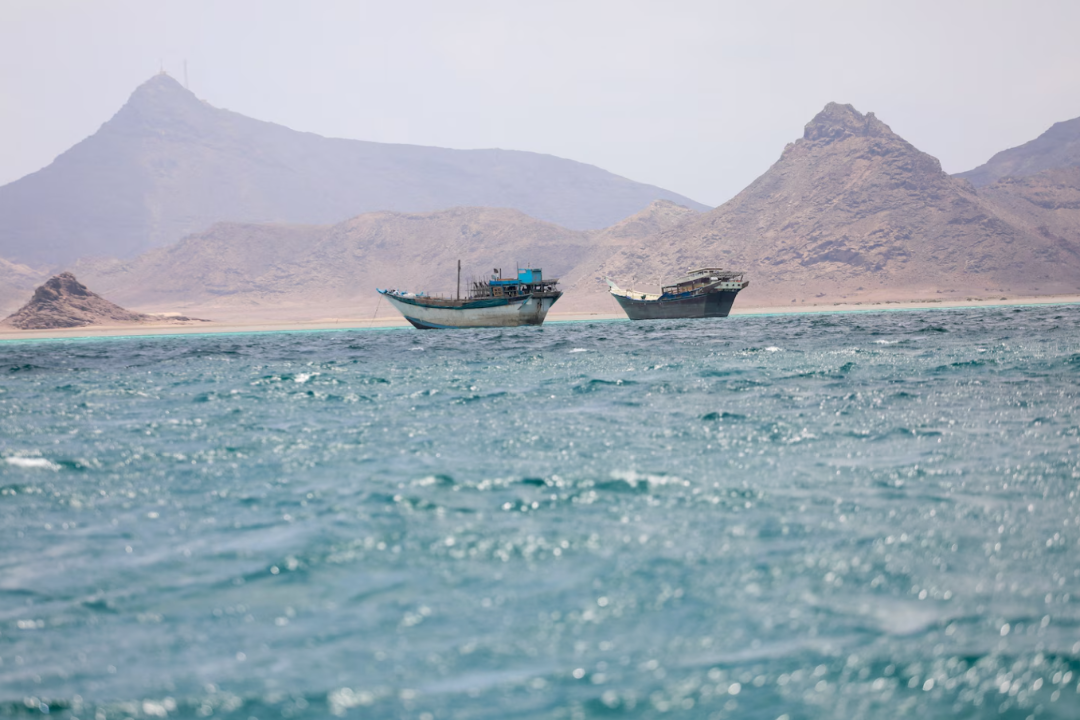
On July 20, the Houthis, in response to a Saudi blockade of Yemen, announced a maritime embargo on Saudi Arabia. In the days that followed, they struck multiple Saudi oil tankers and threatened to expand their target range. According to Reuters, after the Houthis claimed to have used missiles and drones to attack two Saudi oil tankers in the Red Sea on July 23 for violating their embargo, indicative war risk rates for voyages in the southern Red Sea on July 24 rose to above 1% of the vessel's value. By comparison, the rate on July 21 stood at about 0.75%, and before the Houthi embargo declaration, it was roughly 0.3%. Even a modest uptick in war risk premiums can add hundreds of thousands of dollars in extra costs to a seven-day voyage.
Although the Saudi-led multinational coalition, aiming to reassert its military deterrence, announced it would take measures to safeguard the safe passage of commercial shipping and subsequently launched strikes against Houthi military targets in Yemen's Hudaydah governorate, the yardstick for deterrence in the international shipping insurance market remains actual results, not subjective intent. Unless the frequency of attacks on commercial vessels declines significantly, insurers will continue to set premiums based on the assessment that "every voyage faces potential risk."
As risks have further intensified, some insurers have now begun to decline coverage altogether. According to the latest report from the Financial Times, multiple major marine war risk underwriters at the Lloyd's Market Association (LMA) stated on July 24 that they would exclude vessels with "Saudi-linked factors" from coverage—including ships flying other flags but which have called at Saudi ports. Some insurers are also preparing to cancel existing cargo insurance policies already issued for certain Saudi-affiliated vessels. Marcus Baker, global head of marine at insurance broker Marsh, noted that because risks in the Red Sea region are rising, underwriters are becoming more cautious about vessels associated with these jurisdictions.
To the east, in the Strait of Hormuz, the outlook for marine insurance is equally grim.
In the wake of the U.S.-Iran conflict, commercial operators have faced significantly increased pressure. Insurance costs have either become prohibitively expensive or, in some cases, simply unavailable, and commercial operators have grown increasingly reluctant to take on the risks of transiting the Strait of Hormuz.
On July 23, the LMA introduced a new clause explicitly stating that if a shipowner pays transit fees, passage fees, or any similar charges to Iranian authorities for passing through the Strait of Hormuz, insurers have the right to immediately revoke all coverage for that vessel.
According to a Financial Times report from June, only a very small number of vessels transiting the Strait of Hormuz had obtained coverage from Western insurers. In practice, most ships arrange passage either through bilateral agreements between Iran and the flag state or by paying "transit fees." In many cases, what truly underpins a vessel's safe passage is not a financial product from Western underwriters, but a political and financial "understanding" reached with the very entity that the deterrence is meant to counter.
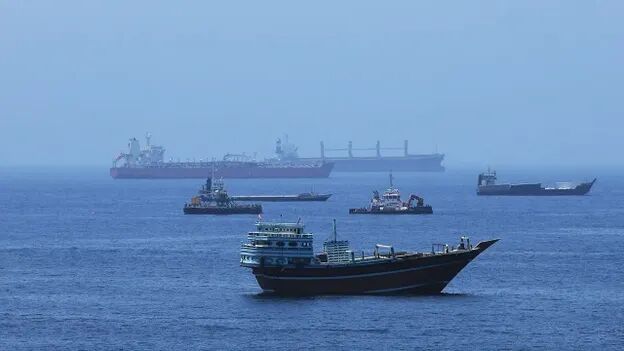
Notably, the U.S. government attempted in April of this year to bridge this gap through a $40 billion insurance program, jointly launched by the newly established U.S. International Development Finance Corporation and Chubb. The aim was to restore shipping in the Strait of Hormuz and thereby exert downward pressure on global oil prices. However, the program has seen almost no practical uptake. Although the U.S. military escorted two vessels through the strait in May, it did not spur a broader recovery in shipping traffic.
At present, the vast majority of global marine insurance is still arranged through Lloyd's of London. Some observers believe that the U.S. program was partly designed to challenge Britain's dominant position in this field. Yet even if that was the intent, it has fallen short. The lack of interest in the mechanism reflects a reality: operators either do not trust that the U.S.-backed guarantee would actually pay out in a genuine conflict scenario, or they fear that participation would expose them to other forms of legal and political risk.
Against this backdrop, U.S. President Donald Trump on July 24 took to Truth Social to float another, more interventionist measure. He declared that losses to ships and cargo in the Red Sea region would henceforth be compensated using frozen Iranian assets held by the United States. "From now on, any and all losses to ships, cargo, or anything related will be paid for using Iranian funds that the United States holds and controls. These losses could be very large, but in any case, it is fair and just."
In essence, this move transfers the authority over insurance payouts from market mechanisms directly into the hands of the U.S. government. With this administrative approach, Trump seeks to provide "coverage" for Red Sea shipping, and the underlying intent may well be to position the United States as the ultimate arbiter of shipping security in the region.
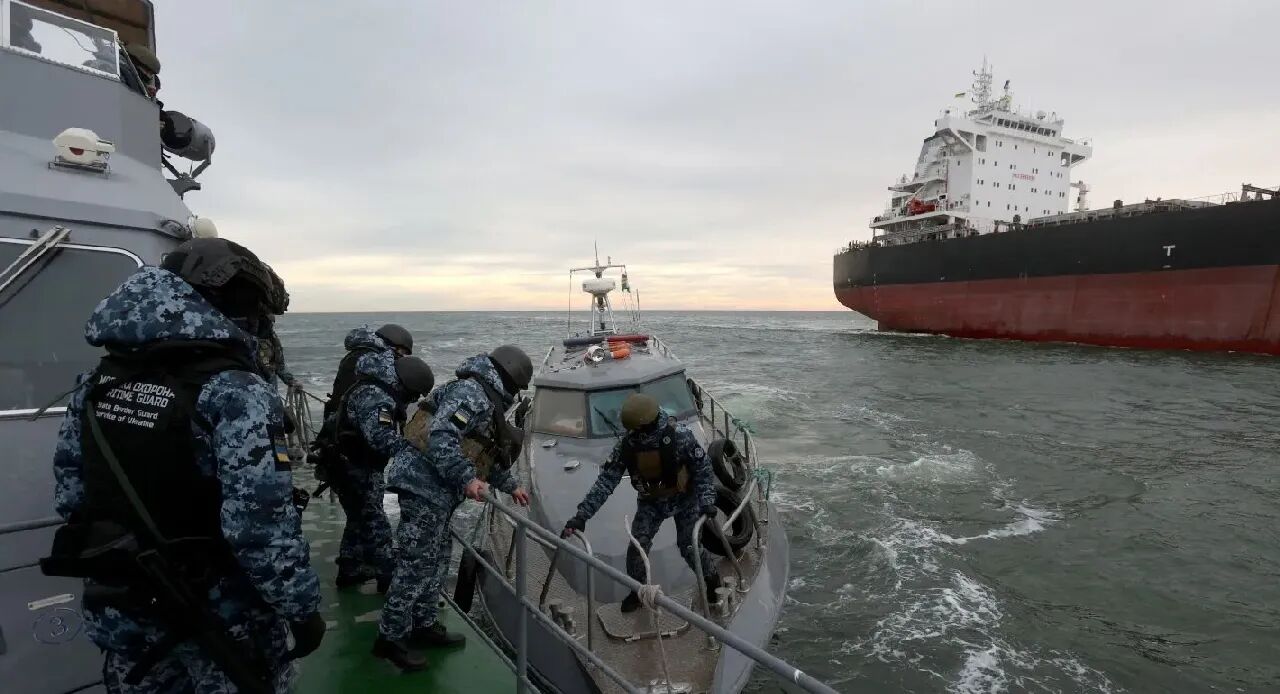
To the north, in the Black Sea and Sea of Azov, the marine insurance market is also under strain. Unlike the Red Sea or the Strait of Hormuz, the Black Sea is not a global shipping chokepoint of equal strategic weight, but it remains a critical corridor for the transport of grain, energy, and bulk cargo between Black Sea littoral states and global markets.
According to Russia's Kommersant, citing Dmitry Grushin, head of cargo insurance at brokerage Remind, Russian insurers have in recent weeks begun refusing to provide war risk coverage for goods transported via the Black Sea and Sea of Azov.
In the second quarter of 2026, marine cargo insurance rates rose by a factor of two to four. However, Grushin noted that rate increases are no longer sufficient to restore market equilibrium. Once the probability of a total loss approaches a certain threshold, even prohibitively high premiums cannot reliably cover expected claims, and insurers withdraw from the market. When insurers are unwilling to offer war risk protection at any price level, the risk falls entirely on the cargo owner.
Geopolitical conflicts are transforming marine insurance from a routine commercial cost into an "invisible blockade." Through soaring premiums and risk aversion, they are creating economic barriers in the world's key maritime chokepoints that are more insidious and far-reaching than physical blockades.
When underwriters, through pricing or outright refusal, delineate the boundaries of navigability, insurance ceases to be a passive tool for risk pooling and becomes an active force reshaping the global trade map. Its decisions determine not only whether vessels can transit, but also, invisibly, redraw which sea lanes remain open and which trade routes remain viable.
Hot News